 EN
EN

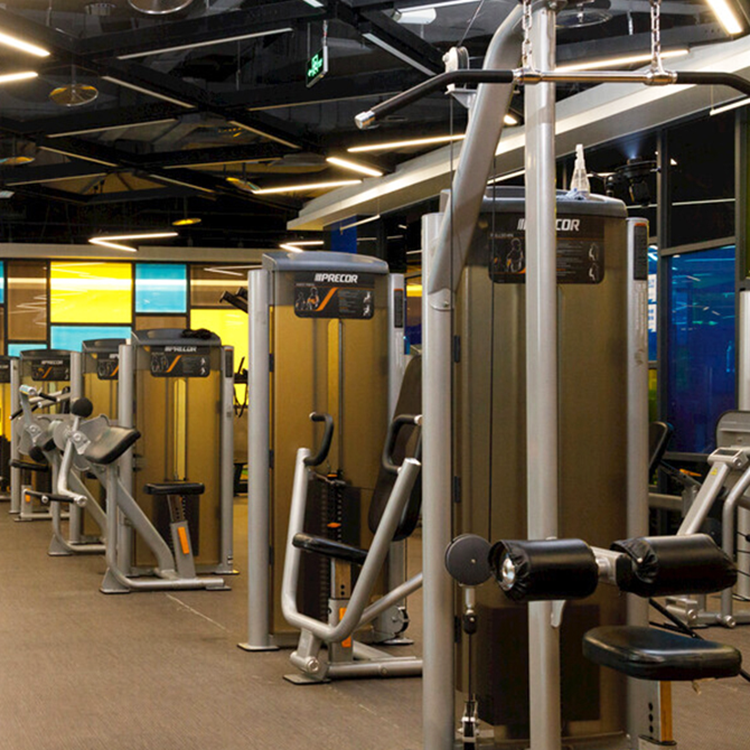
Define Your Fitness Goals to Maximize Use of a Comprehensive Training Station
From Hypertrophy to Functional Strength: Clarifying Your Primary Objective
Okpro's 2024 study looking at around 1,200 gym goers showed something interesting. People who actually set clear fitness targets before hitting up the multi station gear made progress about 47 percent quicker than folks with fuzzy ideas about what they wanted. When someone wants to build muscle mass, boost stamina, or improve how their body moves, good quality training stations let them adjust things like pulleys, resistance levels, and movement directions to match their main goal. Take someone focused on getting bigger muscles for instance. They would probably spend more time doing those slow lowering cable pulldowns. Meanwhile people working on functional strength tend to gravitate toward attachments that challenge their core during rotation movements. The right setup makes all the difference in hitting those specific fitness milestones.
Assessing Readiness and Establishing Baseline Performance Metrics
Baseline testing using your training station’s integrated measurement tools creates actionable insights:
- Strength: Max 5-rep load on adjustable squat racks
- Endurance: Max push-up reps in 2 minutes using suspension straps
- Mobility: Depth measurement on assisted lunge attachments
These metrics prevent overtraining—research shows 61% of users who skip baseline assessments injure themselves within 8 weeks (Okpro 2023).
Setting SMART Goals Within a Structured Environment Using the Comprehensive Training Station
SMART goal frameworks thrive in controlled training environments:
| SMART Element | Training Station Application |
|---|---|
| Specific | “Increase lat pulldown 1RM by 15%” vs “get stronger” |
| Measurable | Built-in load cells track resistance changes ±0.5lb accuracy |
| Actionable | Adjustable bench angles enable incremental ROM progression |
Users adhering to this structured approach have 3.2x higher goal attainment rates according to fitness programming data compared to open-ended programs.
Design a Goal-Specific Program Around the Comprehensive Training Station
Applying Key Variables: Sets, Reps, Frequency, and Tempo for Targeted Adaptations
According to a recent meta-analysis published in Sports Medicine back in 2023, athletes who incorporated variable training methods saw their strength gains improve by around 28% faster than those sticking to fixed routines. Take bodybuilders looking to build size for instance they typically get better results doing 3 to 4 sets of 8 to 12 repetitions with about a minute between sets. Endurance focused folks tend to do better with fewer sets (around 2 or 3) but push themselves harder with 15 plus reps and much shorter breaks. Our advanced training equipment makes these kinds of precise adjustments possible. With adjustable resistance settings and built in timers that signal when it's time to rest, trainees can fine tune their movements. Want to create more muscle damage? Focus on slow eccentric phases lasting about three seconds each. Looking to boost power output? Concentrate on fast explosive concentric contractions instead.
Balancing Volume, Rest, and Duration to Enhance Recovery and Consistency
When someone trains too much, their risk goes up around 40% if they push past what their body can handle each week according to research from the National Strength and Conditioning Association back in 2023. For a good balance, many people find it works well to do intense leg workouts with 6 to 8 different moves one day, then follow that with lighter upper body work where they focus on moving joints through their full range using those mobility guides built into the equipment. The system actually helps avoid going too far because it limits how much extra weight or reps someone can add each week, keeping increases below about 10% maximum.
Customizing Exercise Selection and Tempo Based on Goal-Specific Demands
The station’s modular attachments allow seamless transitions between compound lifts (barbell squats) and isolation work (single-leg curls), aligning with research-backed principles for whole-body program design. Strength athletes might prioritize tempo deadlifts (4-2-1 cadence), while rehab users leverage isometric holds in injury-prone ranges.
Individualized Programming vs. One-Size-Fits-All Templates: What Works Best?
A 12-week study revealed customized programs boosted goal attainment rates by 63% versus generic templates. The station’s AI feedback system analyzes 14 performance biomarkers to auto-adjust exercise order, loads, and rest intervals—a critical advantage when managing individual recovery variances or shifting fitness priorities.
Select the Most Effective Exercises for Your Goals Using the Comprehensive Training Station
Prioritizing Compound and Multi-Joint Movements for Efficiency and Impact
This training station really shines when it comes to making compound moves easier for folks doing squats, rows, and various pressing exercises that work several muscles at once. Studies indicate that working multiple joints together leads to around 20% better strength improvements than focusing on single muscles alone according to Strength & Conditioning Journal from last year. Take someone who does a workout mixing cable chest presses right after split squats. Not only does this save time in the gym, but it also builds real world strength that translates outside the weight room.
Aligning Machine Functionality with Natural Movement Patterns
Effective programming requires matching equipment design to biomechanics. Adjustable pulleys and grip positions allow the comprehensive training station to replicate natural motion paths, reducing joint stress. Exercises like rotating chest presses or single-arm rows maintain shoulder health while progressing load—a critical factor for long-term consistency.
Adapting Equipment Use Across Different Training Phases and Objectives
Transitioning from hypertrophy to endurance phases? The station’s modular resistance lets you shift from heavy, slow tempos (4-second eccentrics) to lighter, high-rep circuits. Its integrated attachments—from tricep ropes to ankle cuffs—enable seamless exercise substitutions, ensuring continuous adaptation without overcomplicating workouts.
Implement Proven Training Templates for Real Results
Beginner Full-Body Workouts: A Balanced Introduction to the Comprehensive Training Station
For people just starting out, three day full body workout plans focusing on big moves such as squats, overhead presses, and bent over rows tend to work best. The routines help establish basic strength levels and teach how to move correctly on equipment that guides the motion path something really important when it comes to staying safe during workouts according to HevyCoach research from last year. Take one example program they offer it mixes up pushing and pulling exercises throughout the week, typically doing around two to three rounds of each movement with repetition counts between eight and twelve. This keeps things at a reasonable intensity level without overwhelming beginners too quickly.
Hypertrophy Splits with Progressive Overload Using Integrated Resistance Controls
Most effective muscle building plans focus on gradually increasing resistance, which is where these training stations come in handy with their adjustable weights and digital progress tracking. Many lifters follow a 4 day schedule alternating between upper body days and lower body days. These setups often include special features for controlling movement speed. When someone takes their time on the lowering phase of lifts, around 3 to 4 seconds per rep, muscles tend to grow more. Some studies suggest people who stick to this method actually build about 23 percent more lean muscle compared to others who don't pay attention to tempo over the course of about three months according to HevyCoach's findings from last year.
| Split Type | Primary Focus | Ideal Frequency | Recovery Days |
|---|---|---|---|
| Upper/Lower | Hypertrophy | 4x/week | 72 hours per muscle group |
| Push/Pull/Legs | Strength | 5x/week | 48-72 hours per movement pattern |
| Full-Body | General Fitness | 3x/week | 24-48 hours between sessions |
Strength Development Cycles Leveraging Controlled Intensity and Tempo
Power-focused templates use wave periodization within the comprehensive training station’s preset resistance increments. A 6-week cycle might alternate between heavy (4x4 @ 85% 1RM) and dynamic effort days (8x2 @ 65% with explosive concentric phases), leveraging the machine’s exact load reproducibility to track progress.
Optimizing Workout Splits Based on Availability and Recovery Capacity
Busy professionals often thrive on 3-day full-body circuits, while competitive athletes require 5-6 specialized sessions. The station’s workout history dashboard helps users match split frequency to their recovery metrics—those averaging <7 hours nightly sleep see 31% better results when reducing training density (HevyCoach 2023).
Track and Optimize Progress with Data-Driven Adjustments
Systematically measure outcomes using your comprehensive training station’s tracking features to identify strengths, weaknesses, and opportunities. Athletes who analyze performance metrics monthly achieve goals 23% faster than those who don’t (Human Kinetics, 2024).
Monitoring Performance: Sets, Reps, Rest, and Load Trends Over Time
Log every session through the station’s digital interface or companion app. A 2024 analysis of 1,200 athletes found lifters who tracked load progression improved squat strength 17% faster than non-trackers. Compare weekly outputs against baseline metrics to detect plateaus before they stall progress.
Using Feedback to Refine Frequency, Duration, and Exercise Selection
Adjust programming variables every 4–6 weeks using trend data. When subjects modified rest intervals based on heart rate recovery rates, workout efficiency increased by 12% in 8 weeks. The station’s interchangeable attachments let you pivot between strength and mobility exercises within a single session.
Breaking Plateaus and Evolving Programs as Goals Change
Reassess objectives quarterly using visual progress dashboards. 68% of advanced athletes shift training emphases annually based on performance analytics. Transition from hypertrophy to power development by recalibrating the station’s resistance curves without changing equipment.
FAQs
Why is setting clear fitness goals important when using a comprehensive training station?
Setting clear fitness goals ensures you can tailor your use of the training station to meet specific objectives, leading to faster progress and better results.
What kind of baseline assessments should I perform before starting a training program?
Baseline assessments should include measures of strength, endurance, and mobility using the training station's integrated tools to create actionable insights and prevent overtraining.
How can I create a goal-specific program using a comprehensive training station?
Use key variables like sets, reps, frequency, and tempo to tailor your program. Employ variable training methods and adjust as needed to ensure targeted adaptations.
What are the benefits of data-driven adjustments during training?
Data-driven adjustments help identify strengths and weaknesses, allowing you to refine your program for consistent improvement and goal achievement.
Table of Contents
- Define Your Fitness Goals to Maximize Use of a Comprehensive Training Station
-
Design a Goal-Specific Program Around the Comprehensive Training Station
- Applying Key Variables: Sets, Reps, Frequency, and Tempo for Targeted Adaptations
- Balancing Volume, Rest, and Duration to Enhance Recovery and Consistency
- Customizing Exercise Selection and Tempo Based on Goal-Specific Demands
- Individualized Programming vs. One-Size-Fits-All Templates: What Works Best?
- Select the Most Effective Exercises for Your Goals Using the Comprehensive Training Station
-
Implement Proven Training Templates for Real Results
- Beginner Full-Body Workouts: A Balanced Introduction to the Comprehensive Training Station
- Hypertrophy Splits with Progressive Overload Using Integrated Resistance Controls
- Strength Development Cycles Leveraging Controlled Intensity and Tempo
- Optimizing Workout Splits Based on Availability and Recovery Capacity
- Track and Optimize Progress with Data-Driven Adjustments
-
FAQs
- Why is setting clear fitness goals important when using a comprehensive training station?
- What kind of baseline assessments should I perform before starting a training program?
- How can I create a goal-specific program using a comprehensive training station?
- What are the benefits of data-driven adjustments during training?