 EN
EN

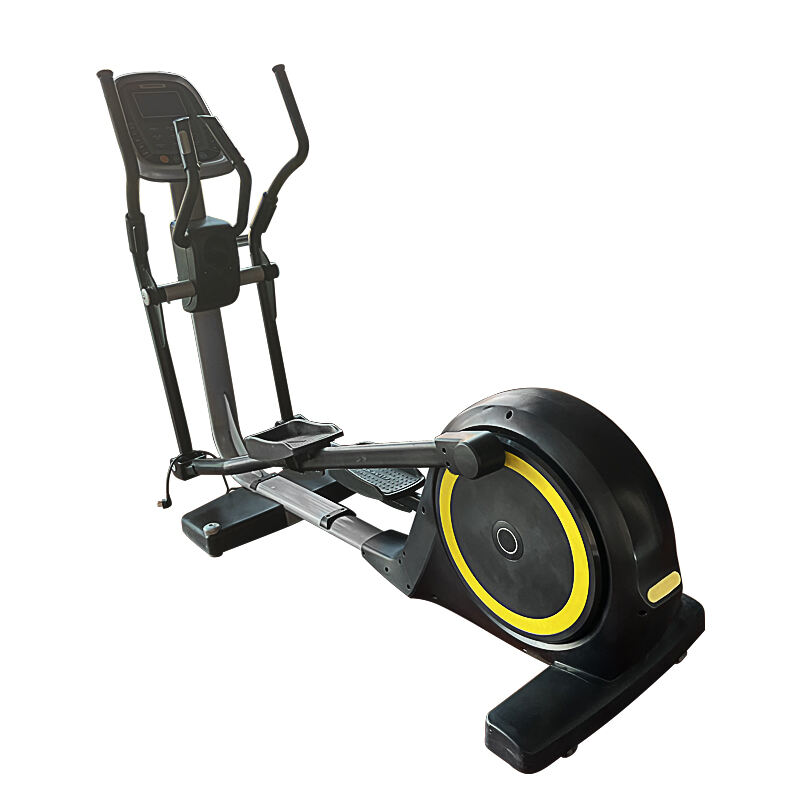
Superior Cardiovascular Benefits of Elliptical Training
How Elliptical Machines Improve Heart Health and VO2 Max
Elliptical machines enhance cardiovascular fitness by combining smooth, rhythmic motion with adjustable resistance, boosting oxygen utilization and heart efficiency. Regular use can increase VO2 max—a key measure of aerobic capacity—by 10–15% within 8 weeks for average users (Research Review, 2022). This improvement stems from:
- Increased cardiac output (heart pumps 20–30% more blood per beat after training)
- Improved arterial flexibility, lowering systolic blood pressure by 5–8 mmHg
- Greater mitochondrial density in muscles, supporting sustained energy production
These adaptations reflect meaningful gains in heart health and endurance, particularly when workouts are consistent and properly structured.
Incorporating Heart Rate Monitoring for Personalized Cardio Workouts
Most new elliptical machines these days have built-in heart rate sensors that let people work out in specific zones to get the best possible outcomes. When trying to burn fat, most experts recommend staying around 60 to 70 percent of someone's max heart rate. For building better cardiovascular stamina, the sweet spot tends to be between 70 and 85 percent. Studies from the Journal of Sports Medicine back in 2021 found that wireless chest straps are about 99 percent accurate when compared with those handlebar sensors. That makes them pretty much the gold standard for tracking heart rates accurately during tough workouts where precision really matters.
Optimal Workout Frequency and Duration for Cardiovascular Gains
To achieve measurable improvements in heart health, follow evidence-based guidelines:
| Goal | Frequency | Session Duration |
|---|---|---|
| Maintenance | 3x/week | 20–30 minutes |
| Improvement | 5x/week | 30–45 minutes |
Allow at least 48 hours between high-intensity sessions to support recovery and prevent overtraining. Incorporating interval training—such as 30 seconds of sprinting followed by 90 seconds of active recovery—can boost calorie burn by 25% compared to steady-state cardio, enhancing both aerobic and metabolic benefits.
(Linked Source Note: Evolution of Fitness Equipment provides context on design innovations that enable these cardiovascular advantages.)
Low-Impact Exercise That Protects Joint Health
Elliptical machines give good cardio workouts without putting so much strain on the joints because they move in that smooth, gliding way. Running or walking on treadmills hits the body pretty hard with all that impact force when feet hit the ground. Studies show these ellipticals cut down the pressure on knees, hips and ankles by around half compared to traditional exercises. For people who want to protect their joints over time or deal with issues such as arthritis, this kind of low impact workout can make a real difference in daily comfort levels and overall mobility.
Why Ellipticals Are Ideal for Knee and Joint Preservation
Ellipticals move in a smooth, steady way that doesn't put sudden pressure on joints, which means less wear and tear over time while still working those muscles around the joints. Some research from last year showed people who stick to ellipticals had about 30% fewer complaints about knee pain compared to folks running on treadmills. Most modern ellipticals let users adjust how long their stride is and how much resistance they want, so people can tailor workouts to what feels comfortable for them. This matters a lot for anyone with sensitive knees or hips, since they get all the benefits of a good workout without putting their joints through unnecessary stress.
Elliptical Use in Rehabilitation and for Arthritis Patients
Many physical therapists suggest ellipticals when someone is recovering from an injury or dealing with osteoarthritis because these machines don't put weight on the joints. Since there's no impact from feet hitting the ground, people can work on building strength and improving movement without risking further damage. Research indicates that folks who stick with supervised elliptical workouts for about six weeks tend to see around 15 to 20 percent better joint mobility. That kind of progress makes ellipticals pretty useful equipment in therapy clinics across the country.
Comparing Joint Impact: Elliptical vs. Treadmill Workouts
Ground reaction force data reveal that ellipticals exert <400 N of pressure per stride, less than half the 800 N seen during treadmill running. This stark difference underscores the machines advantage for joint longevity, especially among those with prior injuries or a BMI over 30.
Key Differences:
- Vertical Forces: 50–60% lower on ellipticals
- Lateral Motion: Controlled and stable vs. variable on treadmills
- Adjustability: Precise resistance and incline control enhances joint protection
Used authoritative link:
- "research on joint-safe workouts" — omgtb.com
Full-Body Workout Potential with Upper and Lower Body Engagement
Modern ellipticals stand out from traditional cardio equipment by engaging both upper and lower body muscle groups simultaneously. This dual-action design delivers integrated aerobic and strength benefits, offering a time-efficient path to holistic fitness.
Maximizing Muscle Activation Using Dual-Action Handlebars
The better quality machines come equipped with these special handlebars that make every step work both the upper and lower body at once. When users push and pull on those handles, they're actually working their triceps, shoulders, and back muscles without even realizing it. Meanwhile, the feet are busy engaging the leg muscles from front to back. What makes this so effective is how it replicates real-life motions similar to what happens during activities like cross-country skiing. People end up developing useful strength throughout their entire body while also getting a good cardio workout all in one session.
Combining Resistance and Cardio for Enhanced Conditioning
Adjustable resistance allows seamless transitions between cardio-focused and strength-building modes. Increasing resistance to 60–70% of maximum capacity boosts lower-body muscle activation by up to 30% compared to low-resistance efforts (American Council on Exercise, 2023), all while maintaining heart rates in the fat-burning zone—maximizing dual fitness outcomes in one session.
Using Interval Training to Boost Full-Body Fitness
Elliptical interval training works by switching between intense efforts at around 80 to 90 percent of maximum heart rate and periods where the body can catch its breath. This approach actually burns more calories overall while working different muscles throughout the workout. Recent research from last year found that people doing these kinds of workouts on ellipticals ended up burning about 17 percent more calories compared to those running on treadmills for similar durations. Plus, they experienced roughly 22 percent less pain in their joints afterward. The elliptical's design lets users engage their arms during both forward and backward movements while still getting solid leg work too. This full-body engagement makes for better overall fitness without putting as much stress on knees and ankles as traditional cardio machines tend to do.
Effective Fat Burning and Sustainable Weight Management
Calorie Burn Comparison: Elliptical vs. Other Cardio Equipment
For a 155-pound person, ellipticals burn 270–400 calories in 30 minutes—comparable to treadmills but with significantly less joint strain. Due to full-body engagement, they outperform stationary bikes by 12–18% in total energy expenditure (ACSM, 2023), making them highly efficient for fat loss.
| Equipment | Calories Burned (30 mins) | Impact Level |
|---|---|---|
| Elliptical | 270–400 | Low |
| Treadmill | 300–500 | High |
| Stationary Bike | 210–315 | Low |
This balance of effectiveness and joint safety supports longer, more sustainable workouts crucial for weight management.
HIIT Programs on Smart Ellipticals for Accelerated Fat Loss
Smart ellipticals with built-in HIIT programs elevate post-exercise calorie burn by 10–15% compared to steady-state cardio. According to a 2022 Sports Medicine review, HIIT protocols operating at 85–95% of max heart rate reduce visceral fat 28% faster than moderate-intensity continuous training, accelerating central fat loss.
Recommended Weekly Routine for Long-Term Weight Control
For lasting results, combine:
- 150 minutes of moderate-intensity elliptical training (resistance level 5–8)
- 2–3 HIIT sessions (20–30 minutes) using 1:2 work-to-rest ratios
- Active recovery days utilizing variable incline settings to maintain metabolic flexibility
This balanced approach aligns with CDC guidelines for healthy weight loss while minimizing injury risks linked to repetitive high-impact activity.
Enhanced Motivation Through Workout Variety and Smart Features
Overcoming Boredom with Preprogrammed and Interactive Workouts
The latest elliptical machines fight off workout boredom through smart programs that change on the fly based on how someone is actually performing during their session. According to research from Stanford's Fitness Innovation Lab last year, people who use these machines with features like tracking progress toward fitness goals and simulating different landscapes stick with their routines about 47 percent more than those doing regular old exercises without any tech help. And it looks like this works for most folks at home too since around two out of three stay consistent with their workouts when they have access to these kinds of interactive elements. That makes sense why manufacturers keep investing in making these systems better for keeping people motivated over months and years rather than just weeks.
Integration with Fitness Apps and Virtual Coaching Platforms
Advanced ellipticals sync with leading virtual coaching platforms that analyze over 12 biometric data points to provide personalized feedback during workouts. As shown in the 2024 National Fitness Technology Report, users of connected equipment complete 75% more weekly sessions thanks to features including:
- Auto-generated plans based on recovery metrics
- Real-time form correction via integrated sensors
- Dynamic resistance syncing with video trainer cues
AI-driven coaching reduces plateau risks by 34% through intelligent workout variation (Ponemon, 2024), transforming standard cardio into responsive, data-powered fitness experiences.
Frequently Asked Questions (FAQ)
What is VO2 max?
VO2 max is the maximum amount of oxygen a person can utilize during intense exercise. It is a key indicator of aerobic capacity and cardiovascular fitness.
Are ellipticals better than treadmills for joint health?
Yes, ellipticals generally exert less pressure on joints compared to treadmills, making them ideal for joint preservation, especially for those with injuries or conditions like arthritis.
How often should I use an elliptical for optimal cardiovascular benefit?
For measurable cardiovascular improvements, aim for 5 sessions per week, each lasting 30–45 minutes, with rest days in between high-intensity workouts.
Can elliptical training aid in weight management?
Ellipticals can effectively aid in weight management due to their high calorie burn rate combined with low joint impact, making for sustainable long-term exercise routines.
Table of Contents
- Superior Cardiovascular Benefits of Elliptical Training
- Low-Impact Exercise That Protects Joint Health
- Full-Body Workout Potential with Upper and Lower Body Engagement
- Effective Fat Burning and Sustainable Weight Management
- Enhanced Motivation Through Workout Variety and Smart Features
- Frequently Asked Questions (FAQ)