 EN
EN

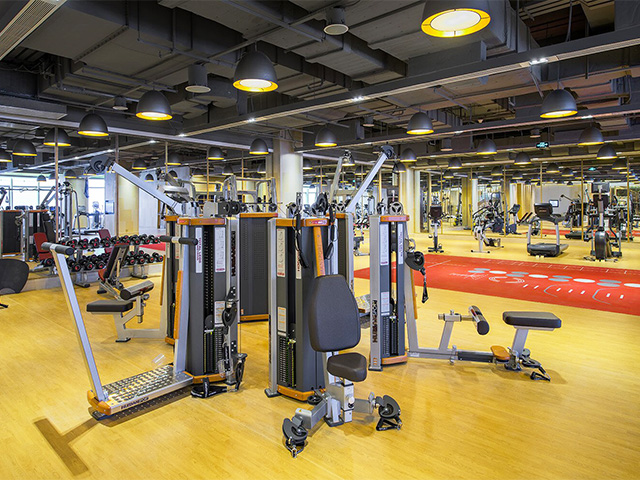
The Growing Demand for Home Gyms and the Central Role of Strength Fitness Equipment
Rise of Home Workouts: Shifts in Lifestyle and Fitness Priorities
Fitness trends these days really focus on getting people moving without hassle, which explains why there's been this massive jump in folks searching online for home gym ideas since around 2020. With so many people juggling packed calendars and working from home sometimes, about two thirds of those hitting the weights now want their sweat sessions to last no longer than 45 minutes max. That makes sense when we look at what's available these days in terms of small but effective gear for strength training. Adjustable dumbbells and resistance bands fit right into this lifestyle. Market research coming out in 2023 suggests the whole home fitness equipment scene is set to expand steadily over the next decade or so, growing roughly 5 percent each year as more consumers seek out versatile stuff that doesn't take up much room in their living spaces.
Post-Pandemic Fitness Trends: Why People Are Investing in Personal Training Spaces
The way people work out has changed for good. About 42 percent of folks who used to go to gyms regularly have switched to working out at home mainly because they worry about germs and don't want to deal with packed spaces anymore. According to a recent report from McKinsey that came out through BusinessWire in 2025, nearly a third (28%) of American homes now have some kind of strength training gear lying around somewhere. That's double what it was before the pandemic hit. People seem to be catching on that building basic strength actually cuts down on injuries by around 31% when compared to just doing cardio all the time. Makes sense really, since nobody wants to get hurt while trying to stay healthy.
Aligning Home Gym Development with Long-Term Health and Strength Goals
Investing in strength fitness equipment fosters sustainable progress:
- 87% of users adhere to workout plans when equipment is visible and accessible
- Modular systems support progression from beginner to advanced resistance levels
- High-quality steel-framed racks and benches offer 12—15+ years of reliable use
Unlike commercial gyms, home setups allow fully personalized programming tailored to individual mobility, recovery needs, and evolving goals—whether muscle growth, joint stability, or sport-specific conditioning—helping prevent plateaus and maintain long-term engagement.
Core Strength Fitness Equipment for a Complete and Efficient Home Gym
Adjustable Dumbbells: Versatile, Space-Saving Essentials
Adjustable dumbbells can handle anywhere between 5 to 50 pounds all within one small package, which means no more cluttering up space with multiple weight sets. The Lifehack Home Gym Essentials Report actually shows these take up about 80% less room than traditional setups. What makes them so great is how versatile they are for different workouts, whether someone wants to do bicep curls or work on shoulder presses. People who have been using them at home really appreciate this flexibility. According to a recent 2023 survey, around two thirds of folks with home gyms now consider adjustable weights absolutely necessary because they grow along with someone's fitness journey rather than becoming obsolete after a few months.
Barbells and Power Racks: Building Foundational Strength at Home
Barbell systems paired with power racks enable safe compound lifts—such as squats, deadlifts, and bench presses—that activate 75% of muscle mass during full-body workouts. With safety catches and adjustable j-hooks, these setups accommodate all skill levels and are critical for progressive overload, the cornerstone of long-term strength development.
Resistance Bands and Weight Benches: Enhancing Range and Effectiveness
Resistance bands made from high density materials bring extra challenge to basic bodyweight exercises like push ups and glute bridges. These bands actually make workouts harder than regular free weights sometimes, maybe around 40% tougher depending on how tight they're stretched. Pair them with an adjustable bench and suddenly specific muscles get worked out better. Upper chest muscles or those tricky back shoulder blades can be targeted much more effectively. The range of movement becomes wider too, which means exercises hit different parts of muscles in ways standard weights just cant match. Most people find this combination works wonders for getting stronger without needing fancy gym equipment.
Minimalist Approach: Achieving Full-Body Training with Key Strength Equipment
A focused selection—adjustable dumbbells, a barbell rack, resistance bands, and a weight bench—meets 95% of strength training needs. This streamlined strategy cuts initial costs by 30—50% compared to ongoing gym memberships while preserving floor space for functional movements like lunges or farmer’s carries.
Practical Advantages of Owning Strength Fitness Equipment at Home
Time Efficiency: Eliminating Commute and Wait Times
People who train at home with strength equipment typically save around 3 hours and 30 minutes each week just from cutting out travel time and waiting for machines, according to the latest Home Fitness Efficiency Report from 2023. Workouts tend to go about half as fast when there's no rush hour traffic involved, which makes all the difference for folks juggling work deadlines and family responsibilities. The biggest plus? No waiting means better routine adherence. Nearly nine out of ten people say they stick with their exercise plans much better when working out at home rather than heading to the gym, based on research published in 2024 that looked at how flexible schedules affect workout consistency between home and traditional gym settings.
Flexible Workout Scheduling Without Crowds or Class Limits
24/7 availability allows alignment with personal energy peaks: 63% of home gym users train between 5—7 AM or 8—10 PM. This freedom eliminates conflicts with class schedules or shared equipment delays. Parents benefit significantly—72% maintain better fitness adherence using short, spaced micro-sessions throughout the day.
Personalized Environment: Tailoring Music, Setup, and Pace
Users optimize performance by:
- Minimizing distractions: 81% focus better without loud music or interruptions
- Customizing layouts for efficient circuit training
- Controlling rest intervals based on specific goals like hypertrophy or endurance
A 2022 Journal of Sports Science study found personalized environments increase workout intensity by 22% compared to shared spaces—particularly valuable for rehabilitating injuries or mastering sport-specific techniques.
Long-Term Value and Durability of Quality Strength Fitness Equipment
Investing in Durable, Adjustable Equipment for Evolving Needs
Fitness gear built for commercial use typically hangs around 5 to 7 years longer than what we see in home gyms, according to those durability tests done at busy workout centers back in 2023 by Comm-Fit. What makes these machines last so much longer? Look at the details: steel frames covered in powder coating, stronger weld points throughout, plus all those extra parts that can be swapped out when needed like pull up bars or dip stations. These features really stand up to constant pounding from multiple users day after day. And let's not forget about adjustable weight racks and proper Olympic bars which make sense for anyone looking to gradually crank up their workouts over time instead of constantly buying new stuff every few months.
Cost Comparison: Home Gym vs. Monthly Commercial Gym Memberships
The average gym membership costs $800/year, while a foundational home gym requires a one-time investment of $2,000—$4,000. Over five years, this results in 50% savings:
| Cost Factor | Home Gym | Commercial Gym |
|---|---|---|
| Initial Investment | $2,500 | $100 (sign-up) |
| 5-Year Total | $2,500 | $4,000+ |
| Maintenance/Repairs | $300 | $0 |
Quality equipment incurs minimal upkeep—research shows average annual maintenance under $50 for durable racks and benches (OKP, 2023).
How to Choose Strength Fitness Equipment That Retains Performance and Value
Maximize ROI by selecting gear with:
- Material certifications: ASTM-grade steel or aluminum ensures structural safety
- Adjustability: Racks with 1,000+ lb capacity support long-term advancement
- Warranty: Look for 10-year frame coverage and 2-year protection on moving parts
Such equipment retains 70—80% of its resale value after five years, far outperforming budget alternatives that degrade within two.
Designing a Custom Home Gym Around Your Strength Fitness Equipment
Assessing Space and Budget for Strategic Equipment Selection
First thing's first, figure out how much room there actually is. Believe it or not, even just 50 to 100 square feet will work for basic strength training gear. When thinking about money matters, spend on items that can do double duty. Adjustable dumbbells are great because they replace so many different weights, and those foldable benches take up zero space when not in use. Small spaces need clever solutions too. Wall mounted storage options free up precious floor area, while some equipment folds right away after workouts. The math works out pretty well over time too. Putting around $1,500 to $4,000 into home equipment might seem steep at first glance, but compare that to what most people pay monthly for commercial gyms ($50 to $150 easily). After a few years, the home setup usually pays for itself while offering convenience nobody can beat.
Optimizing Layout for Safety, Flow, and Functional Training Zones
Divide your space into dedicated zones:
- Strength training zone: Center heavy equipment like power racks and barbells
- Flexibility zone: Use perimeter areas for resistance bands and mobility tools
- Hybrid zone: Position adjustable benches for seated lifts, core work, and more
Zoning improves workout efficiency by 35% (Body by Rejuv 2023). Maintain 3—4 feet of clearance around equipment for safe movement, and anchor tall racks to walls to prevent tipping.
Integrating Technology to Track Progress and Enhance Workouts
Connecting strength training gear with wearable tech helps track things like how consistent reps are, when breaks happen, and what kind of power gets generated throughout exercises. Some newer smart resistance machines connect to apps and change weights automatically depending on past performance data. Meanwhile, those fancy racks with built-in sensors give instant feedback about form as people lift. Looking at budget options? Just stick a phone somewhere on the equipment and watch tutorial videos while working out. This not only keeps costs down but actually improves form and makes workouts more engaging for most folks trying to get better at lifting.
FAQ
Why are more people choosing home gyms over commercial gyms?
Post-pandemic concerns about germs and the convenience of avoiding packed spaces have driven many individuals to opt for home gyms. Additionally, home setups allow for personalized workout routines and eliminate commute and wait times.
What are the main advantages of strength fitness equipment at home?
The primary benefits include time efficiency, flexible workout scheduling, a personalized environment, and long-term cost savings compared to commercial gym memberships.
How much space is required for a basic home gym setup?
Even as little as 50 to 100 square feet can accommodate essential equipment like adjustable dumbbells, a barbell rack, resistance bands, and a bench.
How does home gym equipment save money long-term?
An initial investment in quality equipment often pays off over time, with significant savings over recurring gym memberships after just a few years.
Table of Contents
- The Growing Demand for Home Gyms and the Central Role of Strength Fitness Equipment
- Core Strength Fitness Equipment for a Complete and Efficient Home Gym
- Practical Advantages of Owning Strength Fitness Equipment at Home
- Long-Term Value and Durability of Quality Strength Fitness Equipment
- Designing a Custom Home Gym Around Your Strength Fitness Equipment